Author – Speaker – Historian
Cyprus Project
Where food, history and culture meet. Essays, books, and talks that connect our kitchen to living heritage
As seen in NYT
As seen in GOURMET
As seen in SAVEUR
As seen in Eating Well
As heard in NPR
A Culinary Study of Medieval Cyprus
A Culinary Study of Medieval CyprusAn exploration of folklore, memory, and the quiet narratives rooted in the garden. Through native food plants and the traditions surrounding them, this work uncovers stories that connect land, people, and the unseen threads of cultural heritage.
The work examines the cuisine of the French court, the Greek gentry, and the village serfs, positioning Cyprus as a cultural bridge between Byzantium and Western Europe. It argues that the island’s foodways played a significant role in shaping the medieval European table.
Through this lens, the project traces the movement of ideas, techniques, and tastes, from chafing dish cookery and fricassees to table forks, mousse, fondue, Savoy cake, preserves, vintage wines, and denominations of origin, showing how Cyprus helped transmit the world of Byzantium and the Eastern Mediterranean to Europe’s cultural elites.
Ready for Publication
Field Research
Documenting recipes, techniques, ingredient use, and food traditions through close study of medieval culinary texts and their ethnographic interpretation.
Photography
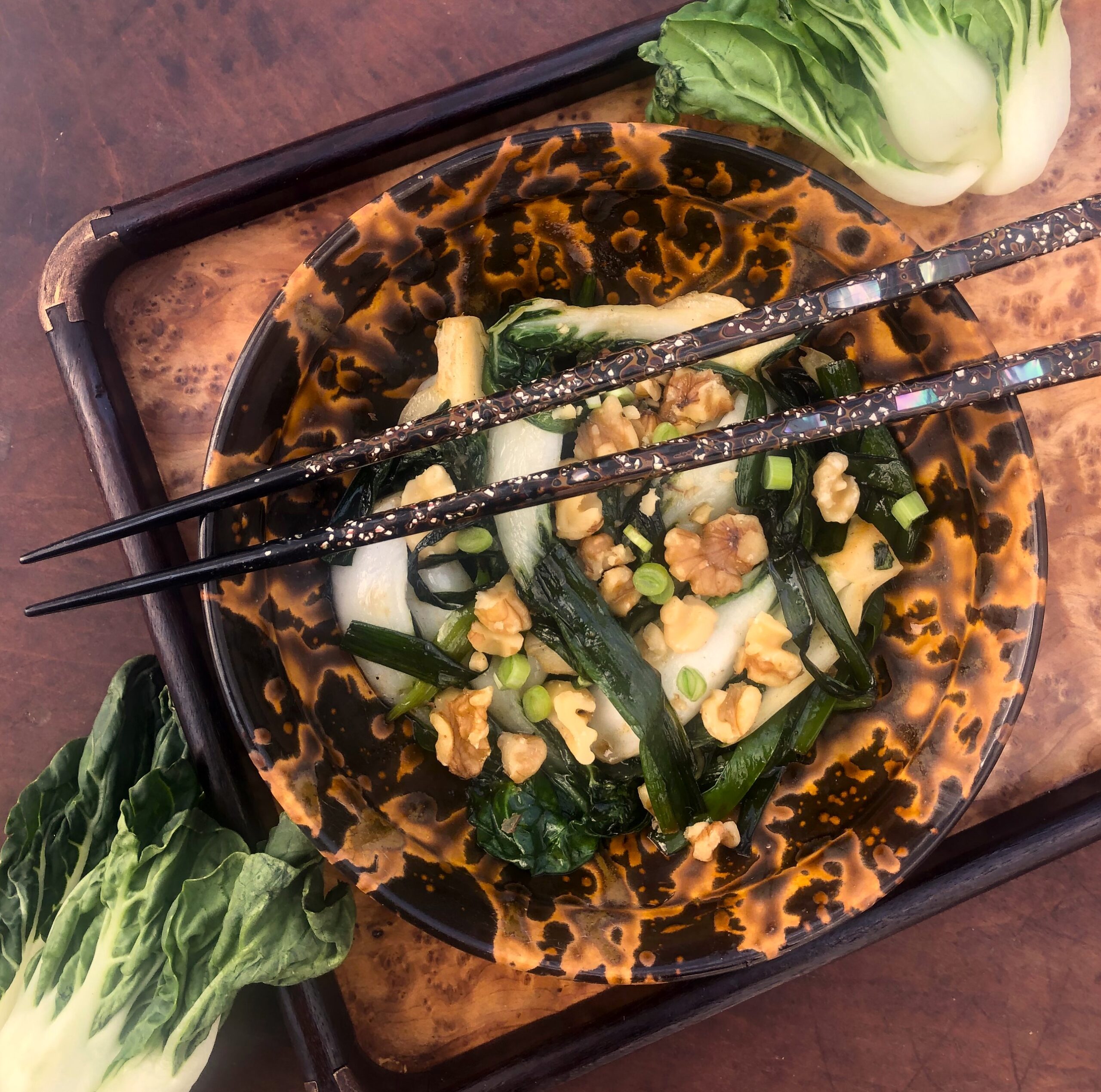
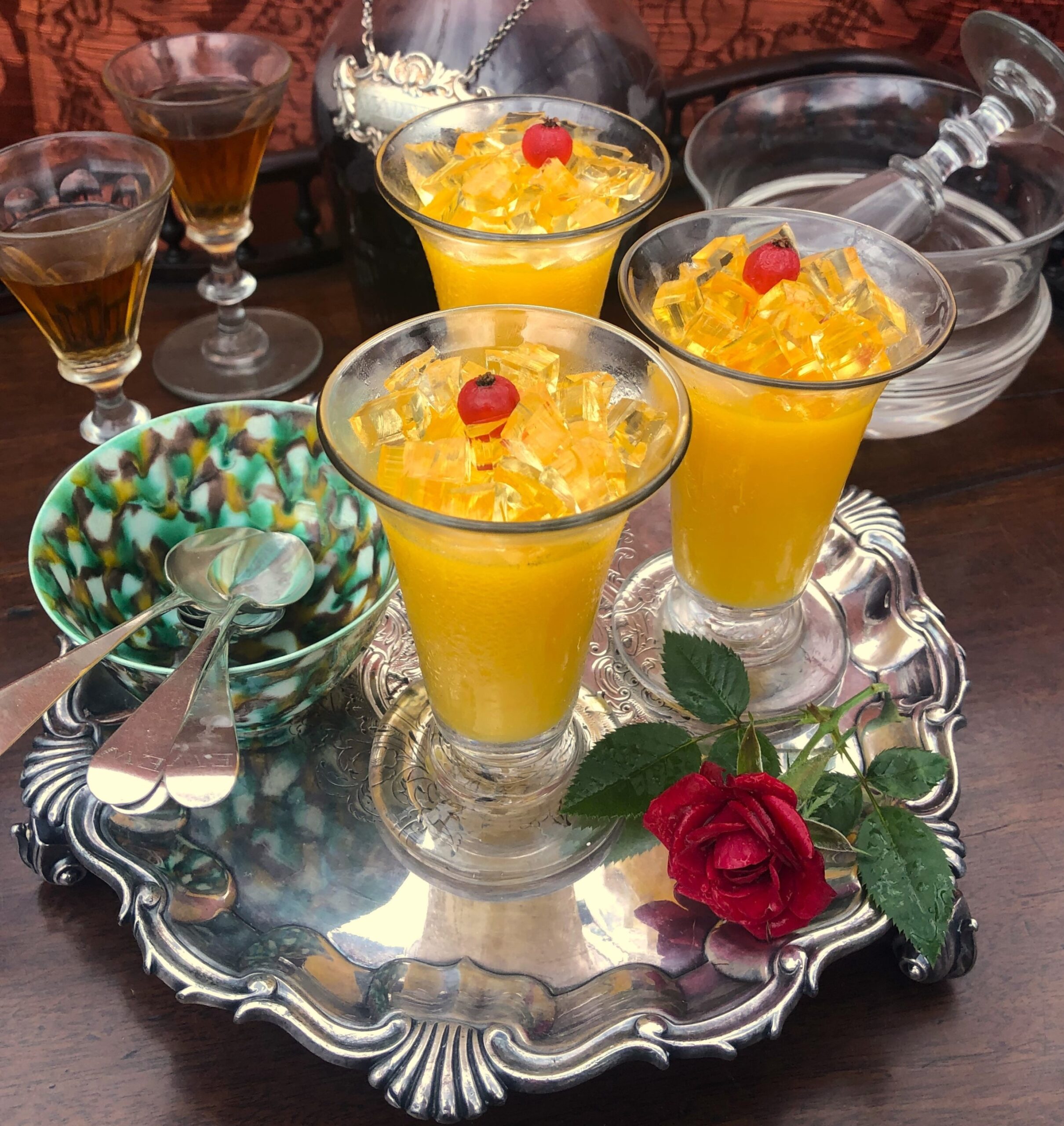
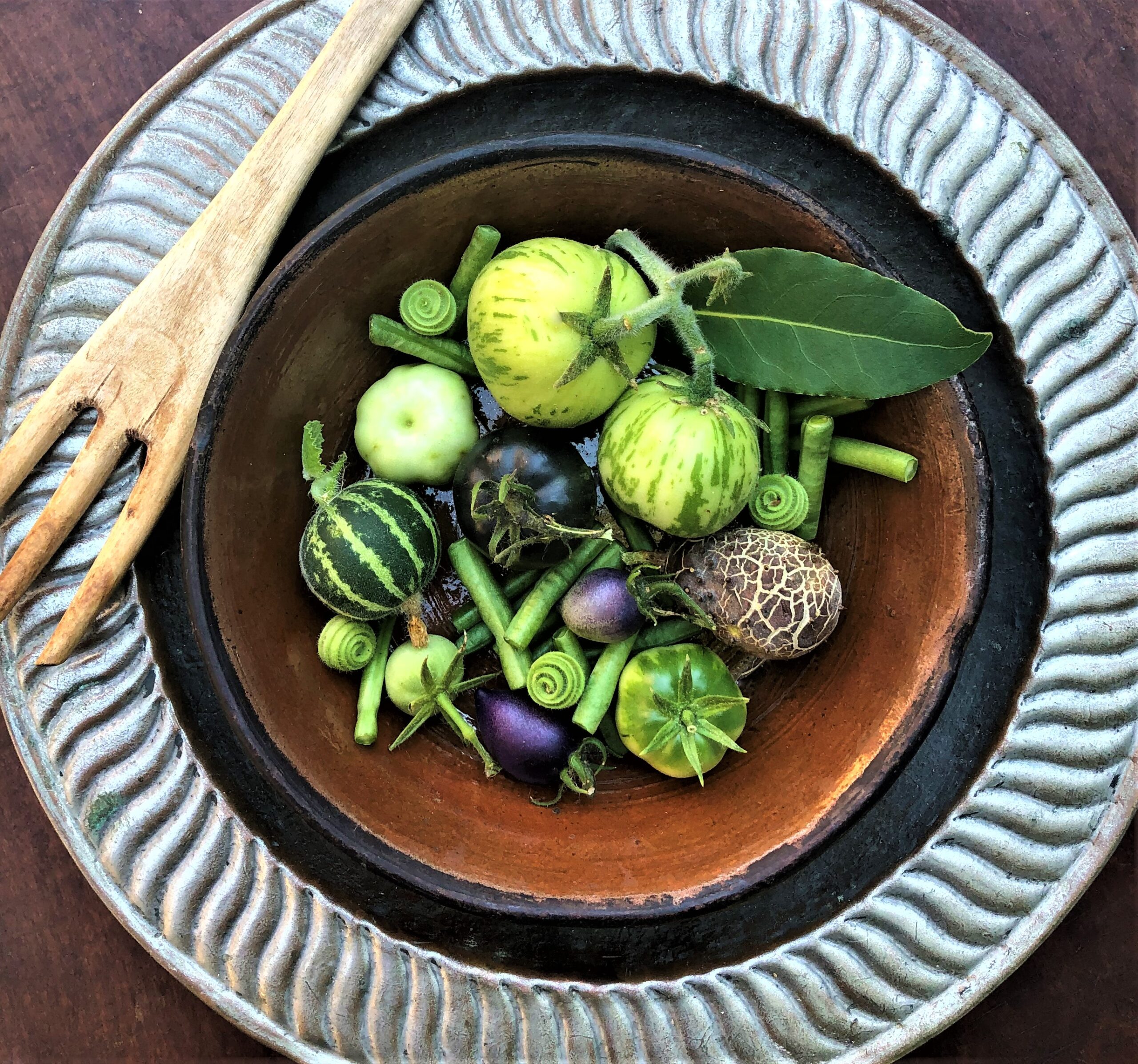
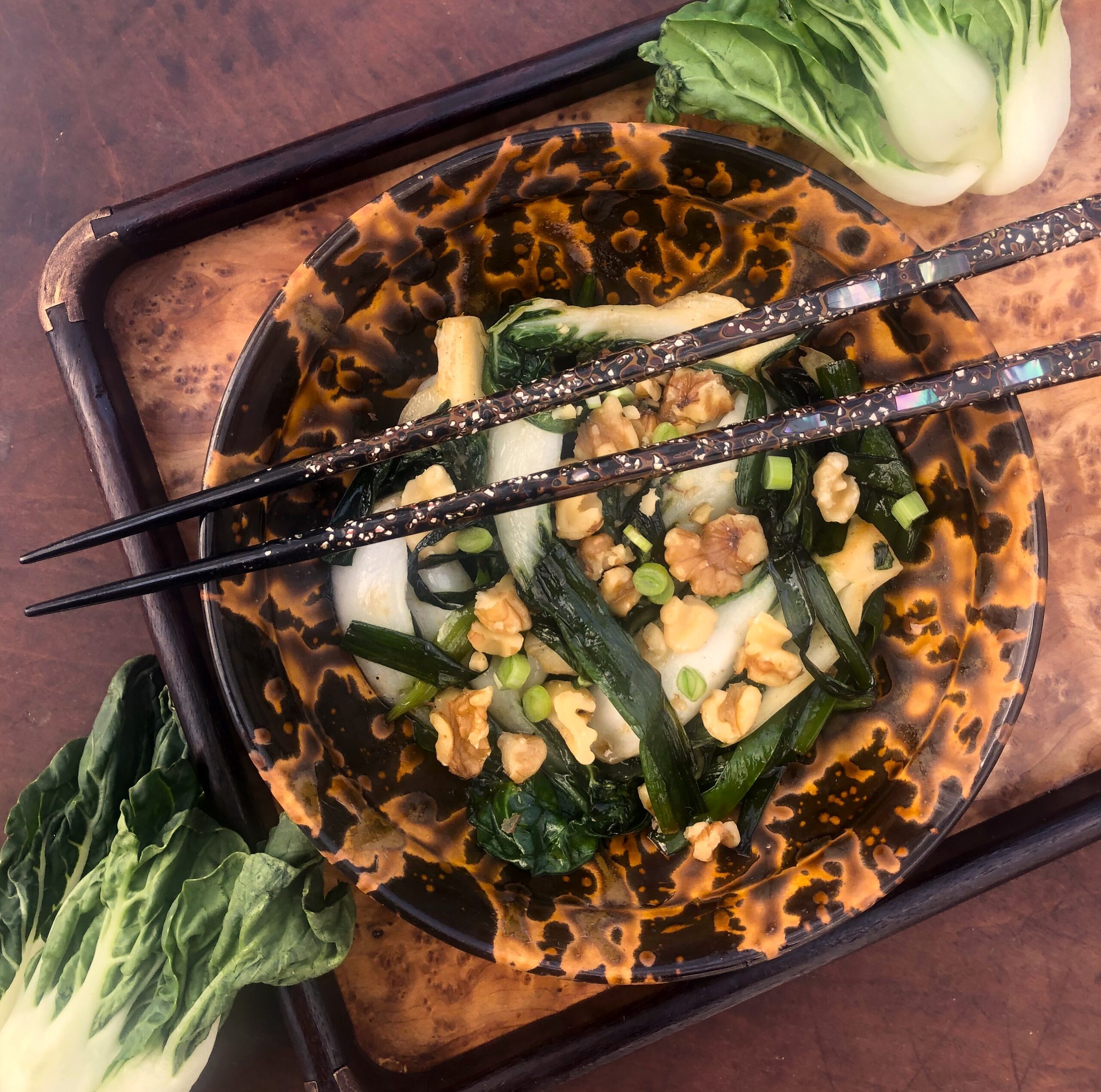
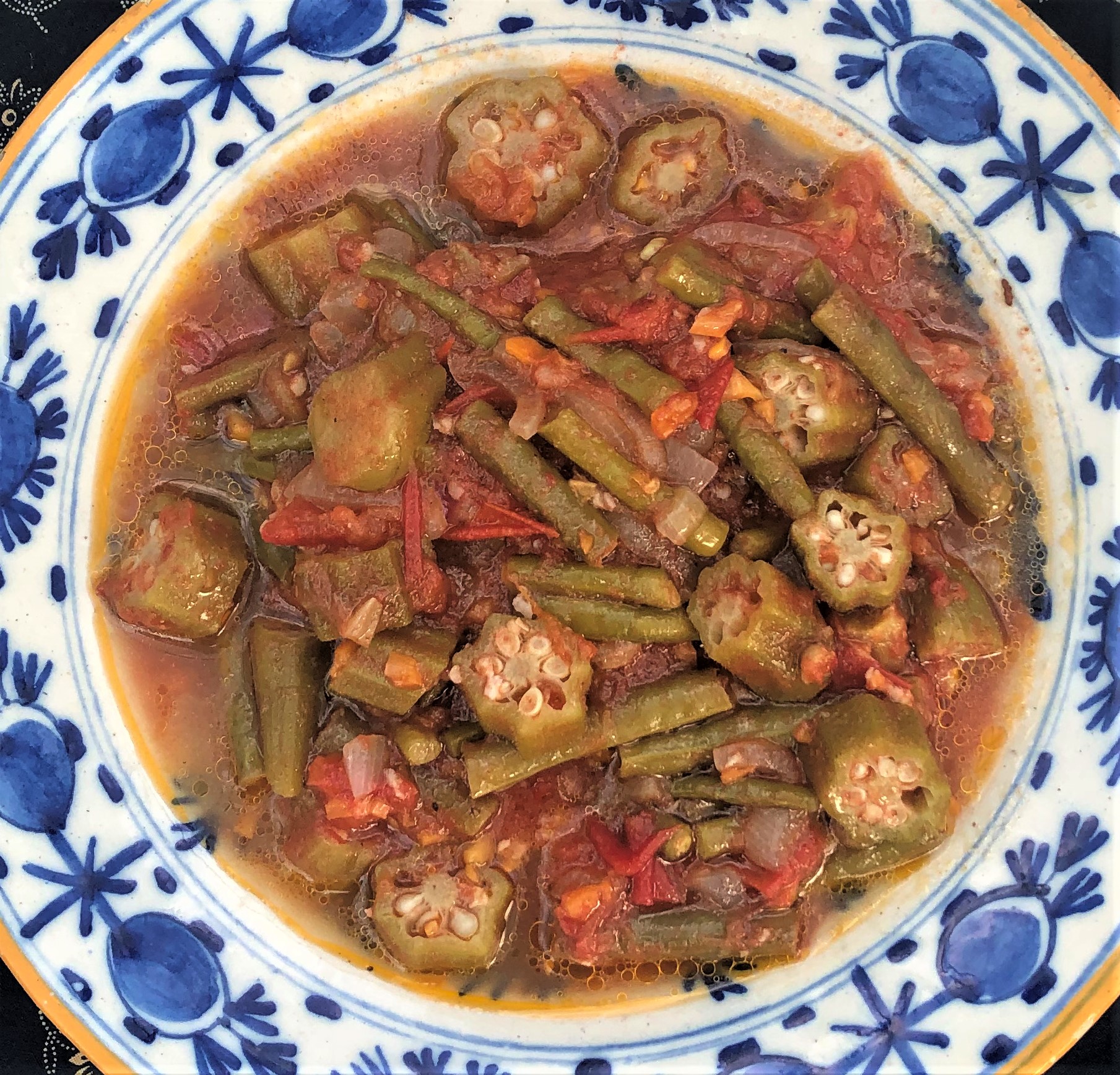
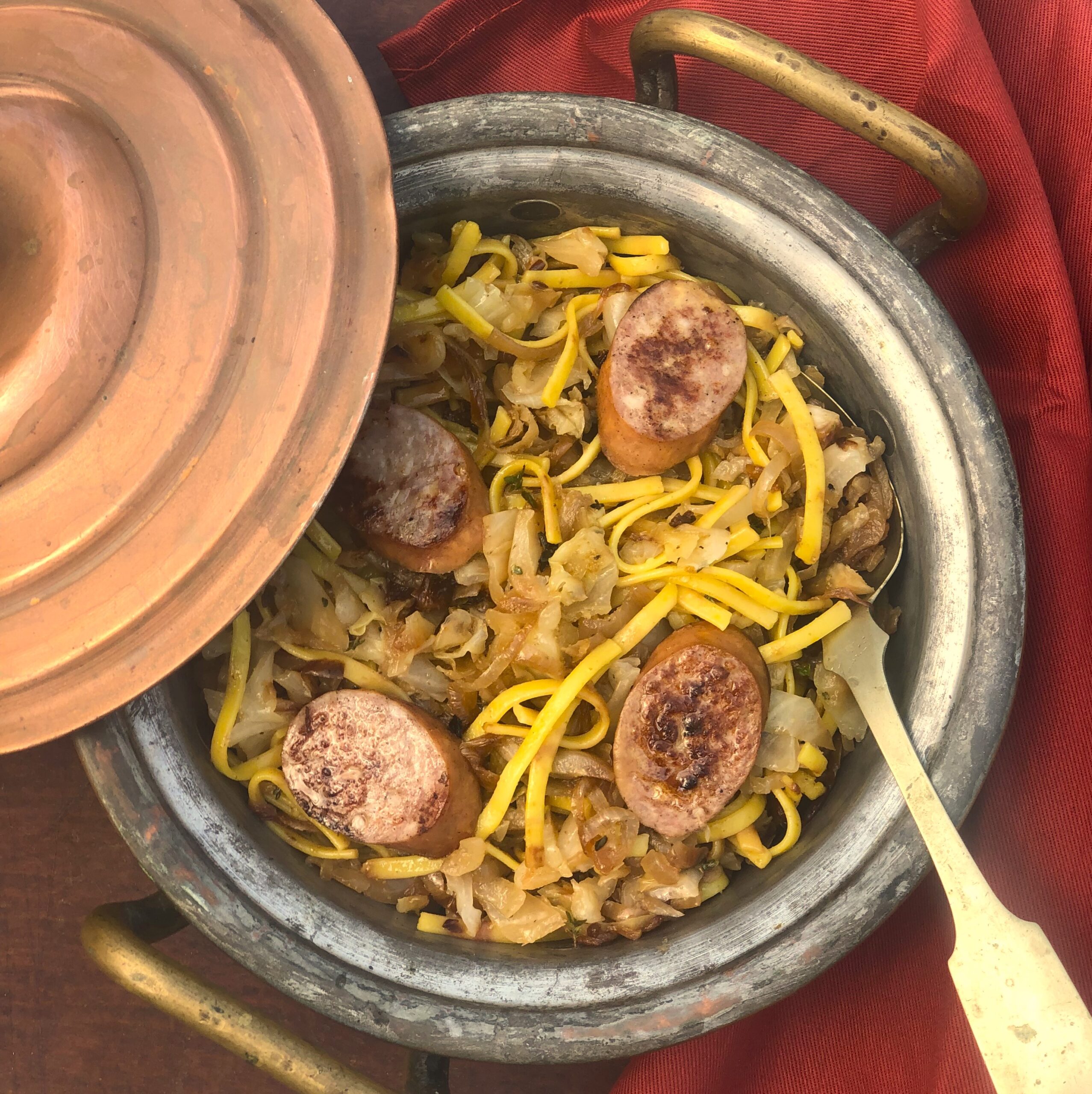
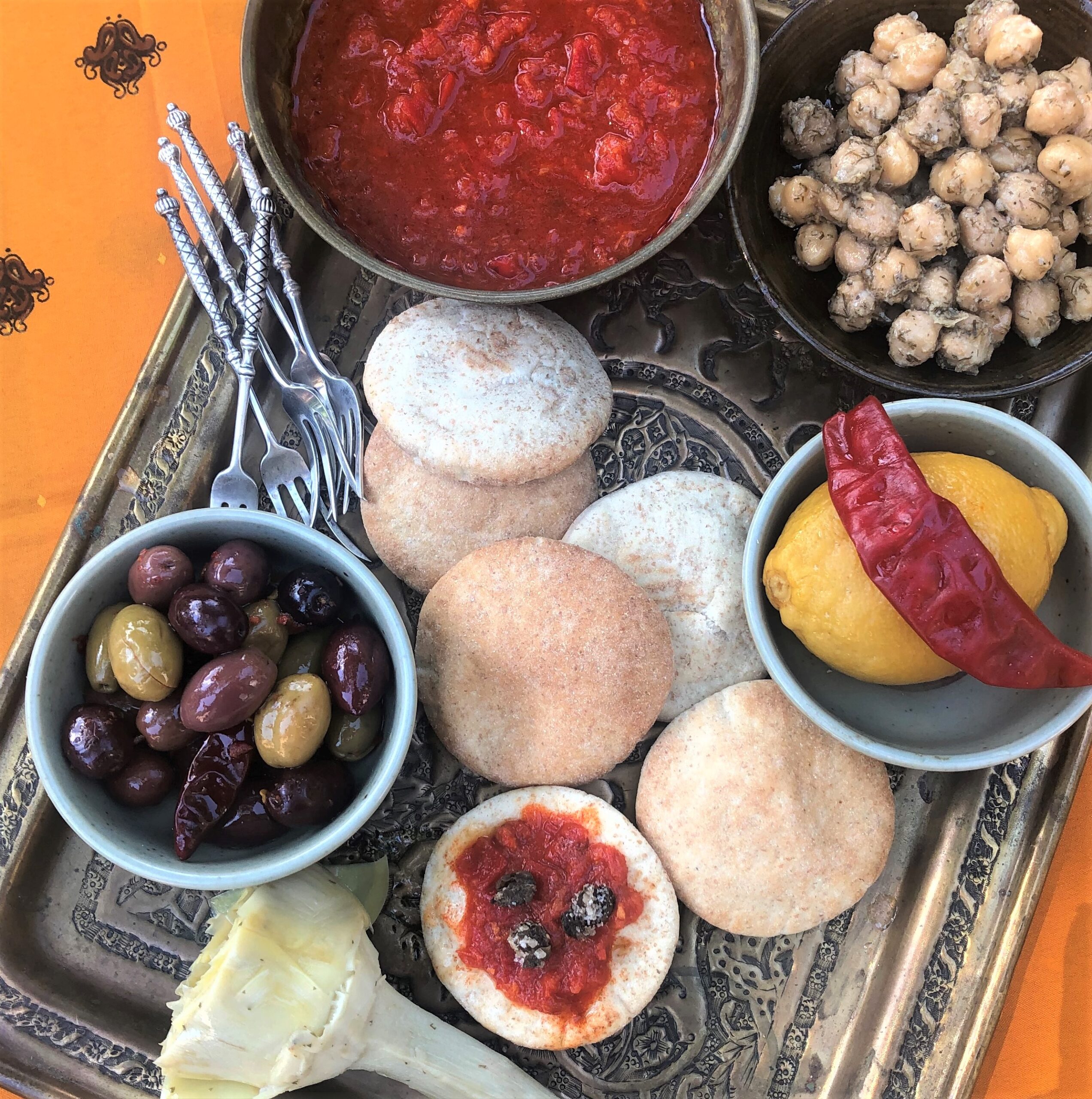
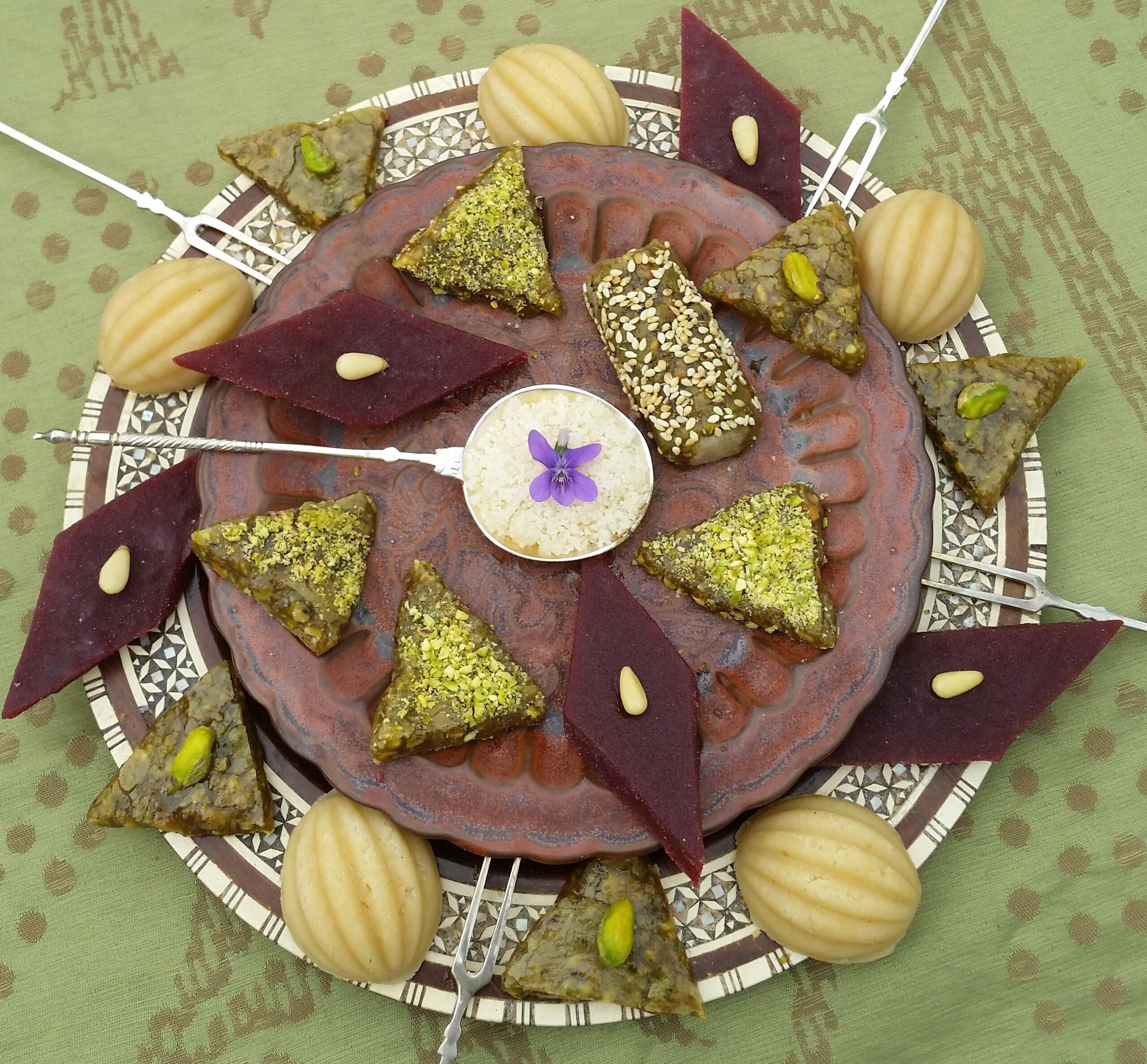
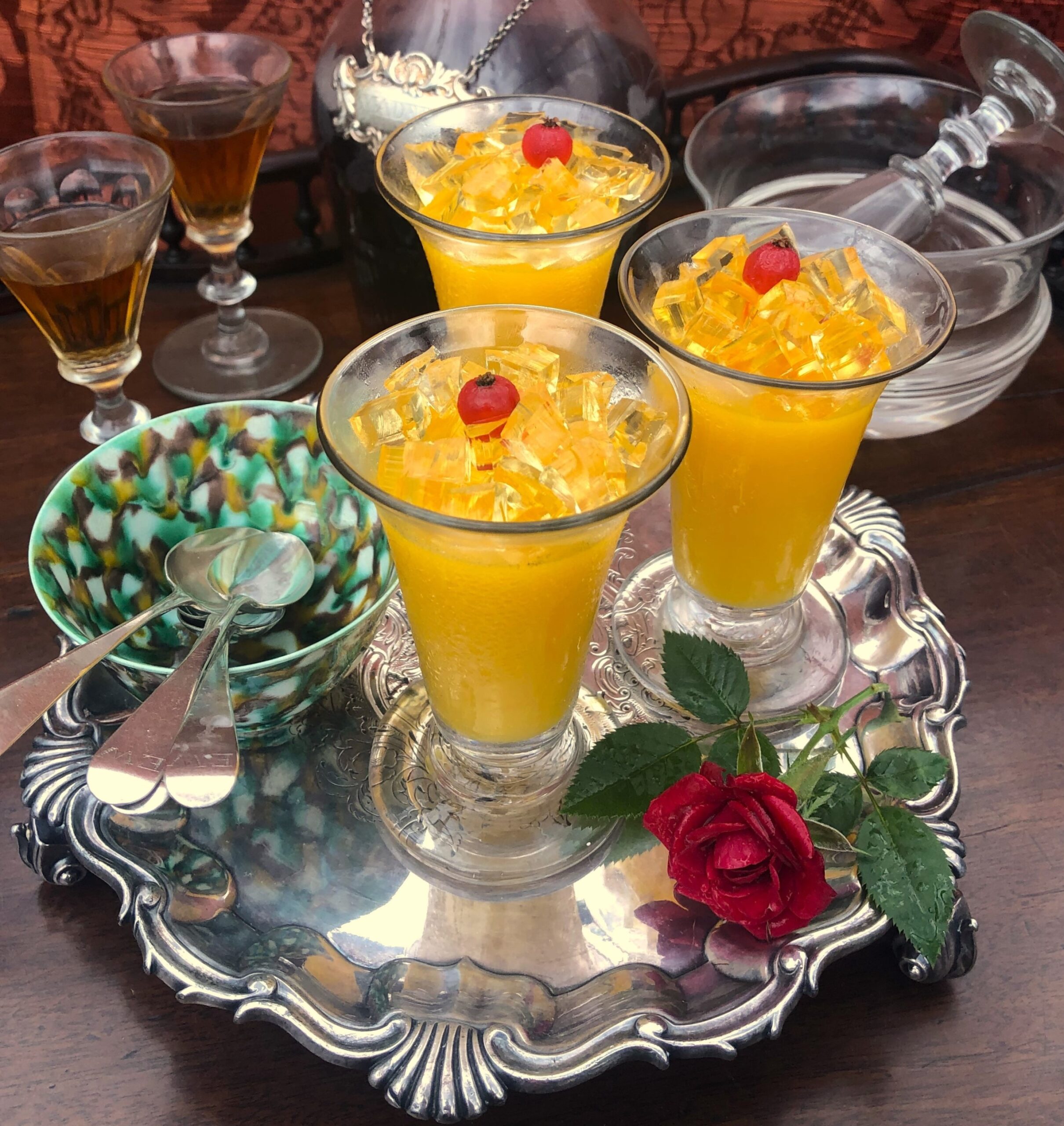
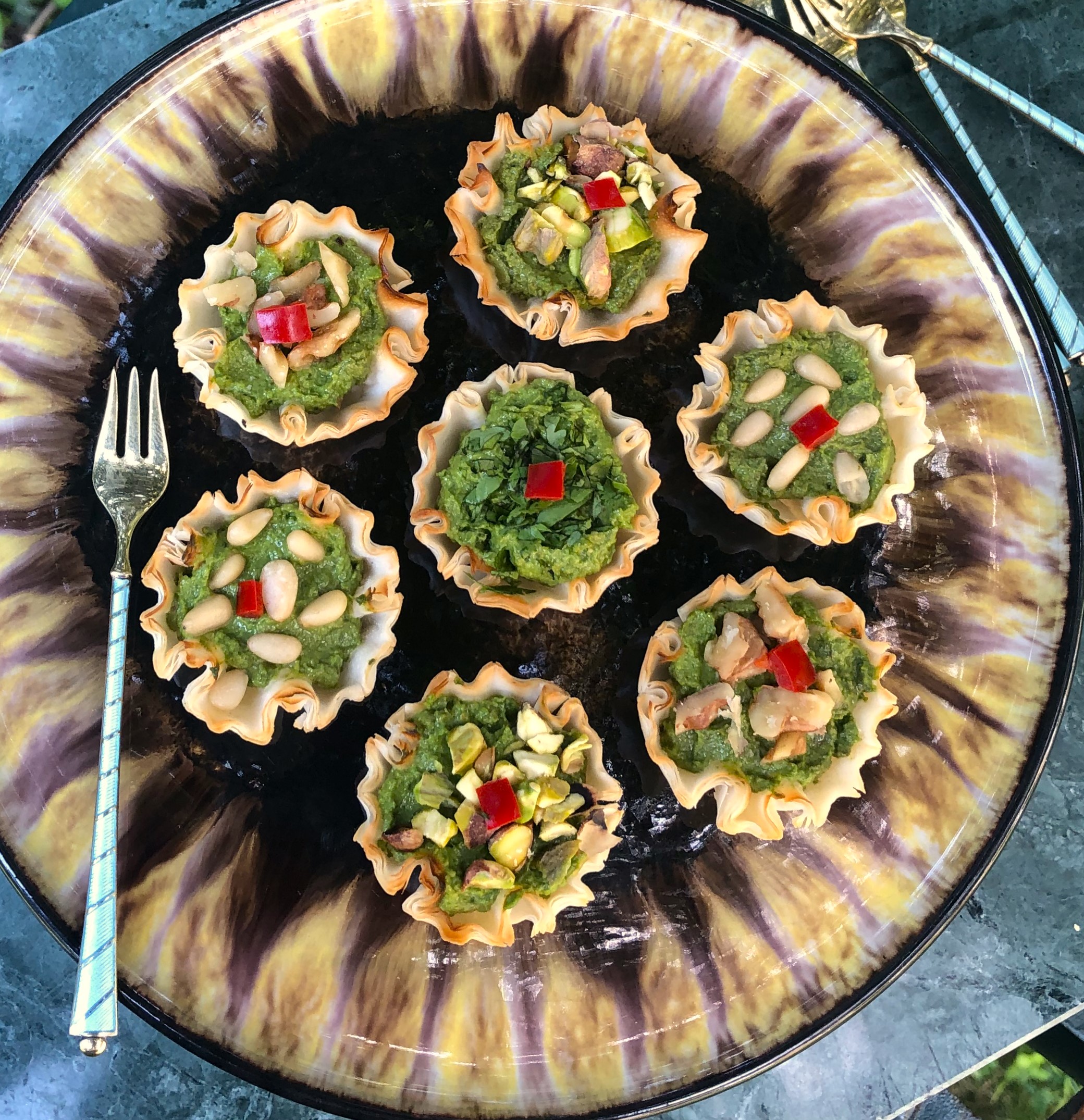
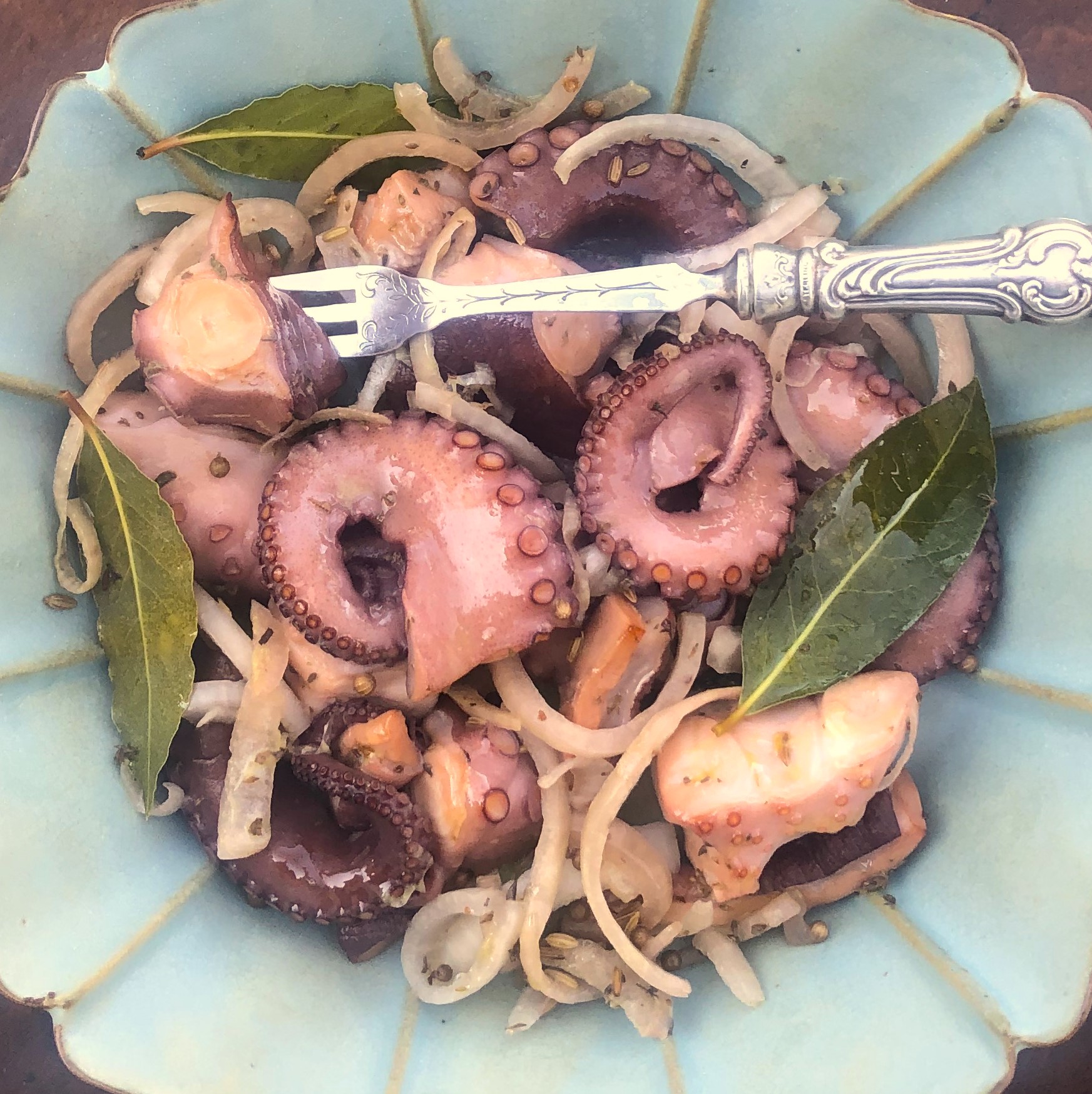
Approximately 50-80 illustrations are planned, including food photography by the author as well as photographs of objects, ingredients, and culinary processes. All photography is finished except for the cover.
Cultural Study
Interpreting the Cypriot school of medieval dietetics, including the red and white dichotomy of foods, carnal versus vegan, and the moral and spiritual symbolism encoded within them.
Forthcoming Work
The manuscript is fully written and currently prepared for publication. It runs to 374 pages and approximately 103,790 words, divided into 13 chapters including an introduction, notes, glossary of food terms, bibliography, acknowledgements, and index.
The recipes are arranged according to their place in the medieval meal, appetizers, first course dishes, meat dishes, fish dishes, fasting dishes, sweet dishes, sauces, and condiments, offering a structured guide to the culinary logic of the period. Each recipe is presented in English and medieval Cypriot Greek, with both American and metric measurements.
Intended to straddle both academic and trade markets, the book is written for general readers while also serving culinary schools and food studies courses, where historically grounded guides to recreating complex medieval cookery remain rare.
What This Work Accomplishes
A New Standard of Interpretation
Due to its ethnographic approach, this work establishes a new standard for analyzing medieval recipes and translating them into modern culinary language.
Cyprus Repositioned
It is the first study of its kind to treat the once internationally important cuisine of the Kingdom of Cyprus and its effect on the medieval European table.
Historically Accurate Reconstructions
This is the first culinary study to provide truly accurate reconstructions of medieval recipes using indigenous ingredients from Cyprus in the context of authentic medieval utensils or archaeologically correct copies.
A Bridge Between Scholarship and Practice
The text is designed to draw readers into the legendary court cuisine of the Lusignan kingdom while remaining useful to scholars, cooks, culinary schools, and courses in food studies.
Audience & Positioning
The project speaks to readers and institutions interested in Mediterranean culture, medieval history, culinary history, the medieval Near East, the Crusades, food photography, Byzantium, Cyprus studies, Mediterranean foodways, Eastern Christianity, medieval dietetics, cookery, and culinary arts. Possible foreign language rights include French, Greek, and potentially German and Russian.
Related Publications
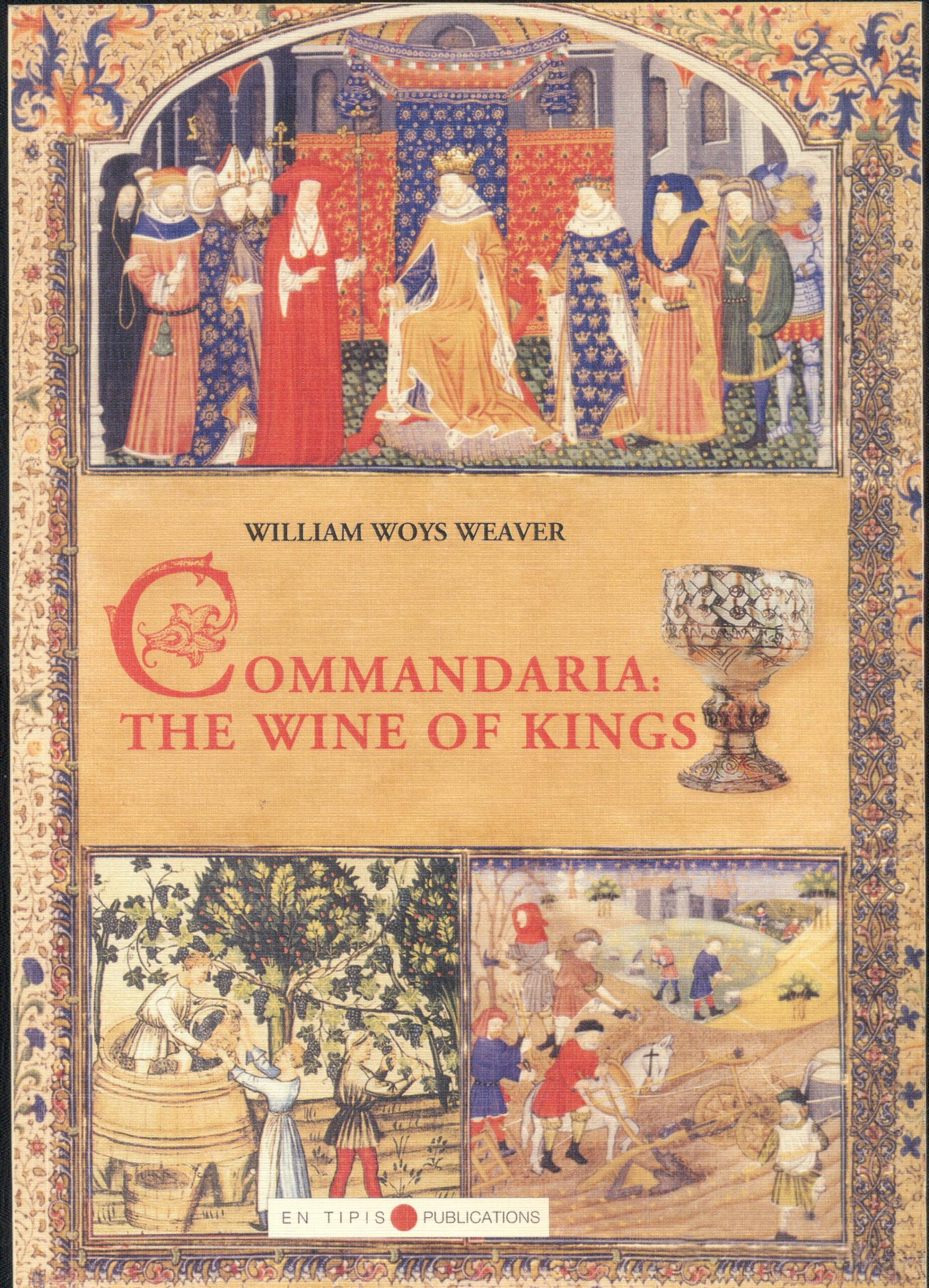
Commandaria: The Wine of Kings
A vineyard by vineyard survey of nama the ancient sacred wine of Cyprus and the toast of medieval Europe.
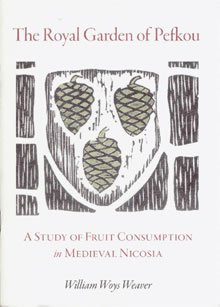
The Royal Garden of Pefkou
Rediscovering remedies and the gardens that kept them alive.
Photography